
Sell Land Online in Colorado: Step-by-Step Guide
How to Sell Land in Colorado
Selling land in Colorado is a different process from selling a home, and understanding those differences upfront will save you time, money, and frustration. Unlike residential sales, vacant parcels attract a narrower pool of buyers, financing is harder to obtain, and listings can sit much longer without the right strategy. The good news is that the internet has fundamentally changed the way landowners connect with buyers, and there are now several reliable options for reaching people who are actively searching for exactly what you own.
At a high level, here is how to sell land successfully in Colorado:
- Research comparable sales and price your land competitively
- Gather your documents, survey maps, and any zoning information
- Prepare your land by clearing debris and marking boundaries if possible
- Choose the best platform for selling land based on your property type
- Write a detailed listing with clear photos and boundary maps
- Respond quickly to inquiries and vet potential buyers
- Close through a title company or real estate attorney
The right way to sell your property depends heavily on your timeline and the type of land you own. Rural agricultural acreage, for example, markets very differently than a suburban infill lot. Sites like Land and Farm cater to rural buyers, while Facebook Marketplace can help you sell land on Facebook Marketplace to local buyers who prefer a casual browsing experience. This guide to selling land online in Colorado walks you through each stage, including your legal obligations, tax considerations, and the fastest paths to closing. If selling land without a real estate agent is your goal, keep reading.
Understanding the Online Land Market in Colorado

Colorado attracts a wide range of land buyers, from ranchers and farmers scouting agricultural acreage to investors looking for raw land near growing mountain towns. If you are looking to sell your land, it helps to understand who is actually searching online and what they need to see before making an offer.
The shift to digital has been significant. Prospective land buyers now begin their search on land-specific listing platforms, general real estate websites, and social media long before they ever contact a seller. That means your online presence matters more than ever. A well-crafted land listing with accurate acreage, zoning details, GPS coordinates, and quality photos can showcase the land in a way that generates real inquiries. A sparse listing with no photos and vague descriptions will be skipped over, regardless of how desirable the piece of land actually is.
When you list land online, you have several routes available. Some land selling websites charge a flat listing fee, others take a percentage at closing, and a few allow you to sell land online for free with a basic listing. Platforms that specialize in land, such as LandWatch or Lands of America, tend to attract buyers who are already interested in buying land and understand rural property. General platforms like Zillow or Realtor.com carry broader real estate listings but may expose your parcel to buyers who are less familiar with raw land purchases.
Selling property online without professional guidance means you take on more responsibility for the selling process, including marketing, negotiation, and legal compliance. That said, many Colorado landowners successfully sell land by owner every year. The key is to market your land effectively and avoid the common pitfalls when selling land online, such as mispricing, incomplete disclosures, or attracting buyers who cannot actually secure financing for a land purchase.
One thing worth noting: not every online platform offers the same reach. Some online platforms offer nationwide exposure, which matters if your property appeals to out-of-state investors or buyers relocating to Colorado. Others focus on local buyers and may work better for suburban lots or properties related to land uses that serve a regional market.
Colorado's landscape is also diverse enough that the best features of your parcel, whether that is mountain views, water rights, mineral access, or proximity to a highway, should drive where and how you list. Understanding your buyer helps you choose the right channel and write copy that speaks directly to what they are searching for. Legal considerations when selling land, including disclosure requirements and Colorado-specific tax obligations, are covered in detail later in this article, but it is worth flagging early that selling land here involves rules that differ from other property types. Knowing those rules before you list will protect you throughout the transaction and help you buy and sell land with confidence.
Step-by-Step: How to Sell Land Online in Colorado

Once you understand the market, the next step is execution. Here is a practical walkthrough of how to successfully sell land online in Colorado, from first steps through closing.
Step 1: Research Your Price
Before you list, spend time researching comparable sales. Look at what similar plots of land have sold for in your county over the past 12-18 months. Pay attention to acreage, zoning, access to roads, and utilities. Overpricing is one of the most common reasons vacant land sits unsold for years. A realistic price attracts real buyers faster than an aspirational number that scares everyone away.
Step 2: Gather Your Documents
Pull together your deed, any available survey, a plat map, proof of property taxes, and zoning documentation. Buyers will ask for these materials, and having them ready signals that you are a serious seller. If your parcel has water rights, mineral rights, or easements, document those clearly. Colorado law requires specific disclosures for land sales, which are discussed in the next section.
Step 3: Take Quality Photos and Video
Drone footage is a game-changer for vacant land in Colorado, especially for properties with mountain views or significant acreage. Ground-level photos help too, but aerial shots give buyers an accurate sense of the terrain, boundaries, and surrounding area. Clear, well-lit images are one of the easiest ways to sell land fast and stand out from competing listings.
Step 4: Choose Where to List
There are many online platforms built for land sales, and the best websites to sell land depend on your property type. Here are the main options:
- LandWatch and Lands of America - These websites for selling rural acreage draw serious buyers and allow you to list land in your area with detailed acreage filters.
- Land and Farm - A strong option for agricultural and recreational properties.
- Zillow and Realtor.com - Broad audience, though less targeted for vacant land.
- Facebook Marketplace and social media - Useful for reaching local buyers quickly and allows you to sell land online without a listing fee on most posts.
- Craigslist - Still used for vacant land, especially at lower price points.
Many online listing services charge a flat fee ranging from around $50 to a few hundred dollars. Using multiple platforms increases your exposure and is often worth the modest cost.
Step 5: Write a Compelling Listing
Your description should answer the questions a buyer will have before they even ask. Include the exact acreage, legal description, zoning classification, access details (paved road, dirt road, or landlocked), utility availability, and any notable features. Be honest about limitations too. A trustworthy listing builds confidence and reduces wasted back-and-forth.
Step 6: Screen Buyers and Negotiate
When inquiries come in, ask early whether the buyer is paying cash or seeking financing. Land loans are harder to qualify for than home loans, and a buyer who cannot secure financing will cost you weeks of lost time. Cash buyers move faster and simplify the transaction considerably.
Step 7: Close Through a Title Company
Even if you are handling the sale yourself, use a licensed title company or real estate attorney to close the transaction. They will handle the deed preparation, title search, and recording. To successfully sell land online without a realtor does not mean skipping the closing process, it means managing the marketing and negotiation yourself while letting a professional handle the legal transfer.
If you want a deeper look at expediting this process, our guide on how to sell land fast in Colorado covers strategies specifically designed to shorten the timeline from listing to closing.
Land By Owner: Key Considerations in Colorado
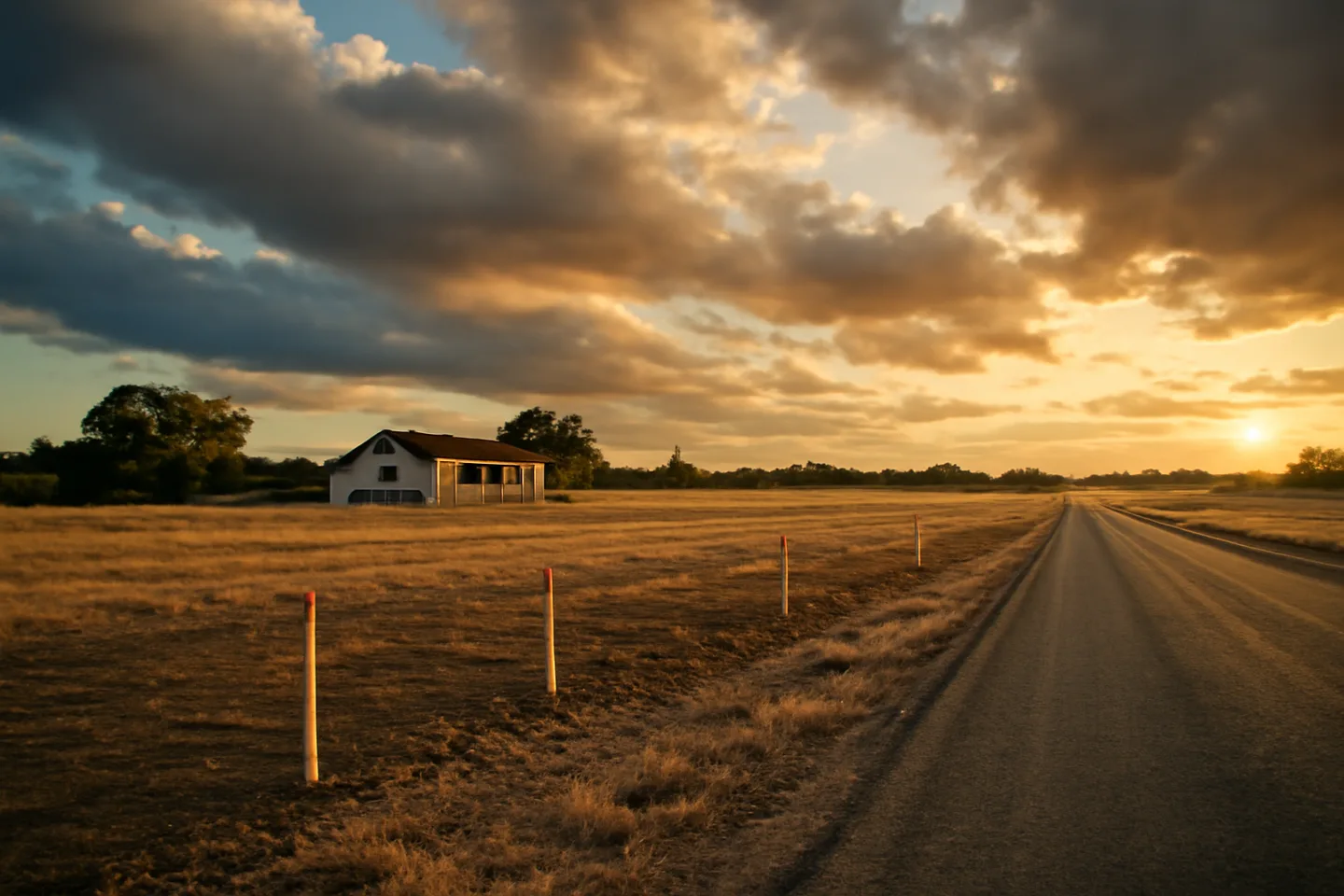
Selling land online without a realtor gives you control over timing and saves on commission, but it also puts the legal and administrative responsibilities squarely on your shoulders. Colorado has several requirements that every seller should understand before listing.
Disclosure Requirements
Colorado's seller disclosure laws are governed by C.R.S. § 38-35.7, which requires you to disclose material defects and conditions that could affect the property's value or safety. According to the Colorado Division of Real Estate, there is a specific "Seller's Property Disclosure (Land)" form (SPD19L-6-23) that land sellers must use. It covers soil conditions, flooding and drainage, zoning violations, and environmental hazards. Colorado requires this disclosure to be provided before a contract is signed, which differs from some other states where disclosure happens after an offer is accepted.
Additionally, under C.R.S. § 38-35.7-108, your contract or disclosure must state in bold that the surface estate may be owned separately from the mineral estate, and that third parties may own or lease oil, gas, or other mineral interests. This is particularly important when you're selling rural land in Colorado where split estates are common.
Tax Considerations That Affect Your Sale
If you need to sell your land and want to avoid surprises at closing, review the tax implications early. Colorado taxes capital gains at a flat state income tax rate of 4.4% for 2025, with no distinction between short-term and long-term gains, which is different from the federal system. If you are hoping to defer that tax, a Section 1031 like-kind exchange allows you to reinvest proceeds into a replacement property. You must identify a replacement property within 45 days and complete the exchange within 180 days of your closing date.
If you live outside Colorado, there is an additional consideration. According to the Colorado Department of Revenue, nonresident sellers of real property valued at $100,000 or more are subject to a 2% withholding tax at closing via Form DR 1083. The withholding is calculated as the lesser of 2% of the sales price or the net proceeds, and it must be filed in as little as 2 weeks of closing. A Colorado title company will typically handle this at settlement, but you should be aware of it when estimating your net proceeds.
Recording and Fees
Every land transaction in Colorado must be recorded with the County Clerk and Recorder's Office in the county where the property is located. As of July 1, 2025, Colorado implemented a uniform flat recording fee of $43 per document, plus a $3 combined surcharge, replacing the prior per-page structure. Many counties also accept eRecording, which allows title companies to submit documents electronically.
Getting your land in front of the right buyers while managing these obligations on your own is absolutely doable, but it requires preparation. Real estate websites that list land only get you so far, having clean paperwork and knowing your legal duties will help you sell your land fast once a buyer is ready to move. If you want to avoid the complexity entirely, working with a direct land buyer can offer a fast sale without the listing process. For landowners in areas like El Paso County, where demand is strong but the process can still feel overwhelming, that option is worth exploring.
If you want a full breakdown of the paperwork involved, the article on legal documents for selling land in Colorado is a helpful resource to read alongside this one.
Common Questions About Websites to Sell Land
What is the best site to sell land?
There is no single answer, because the best platform depends on your property type and target buyer. LandWatch, Lands of America, and Land and Farm are widely considered the top dedicated land selling websites for rural and agricultural properties. They attract buyers who specifically want to purchase acreage rather than homes, which means better-qualified inquiries. For urban infill lots or suburban parcels, general real estate websites may provide broader visibility. Using two or three platforms at once typically produces better results than relying on just one. If your budget is tight, Facebook Marketplace allows you to list your land for free and reach local buyers quickly. The key is matching the platform to the type of buyer most likely to want your land.
Are you thinking about selling your land online?
If you want to sell your land and are weighing your options, online selling offers real advantages: wider reach, lower upfront costs compared to traditional brokerage, and the ability to manage the process on your own schedule. That said, selling online does require effort. You will need to create an accurate listing, respond to inquiries, vet buyers, and handle or coordinate the closing paperwork. For many landowners, the savings from selling online without a realtor are worth that effort. If you want a faster, simpler path, selling directly to a land buyer can close the gap between listing and closing significantly, sometimes in as little as 2 weeks.
How difficult is it to sell land?
Land can be one of the more challenging types of real estate to sell, primarily because the buyer pool is smaller than for homes. Buyers looking for raw land often have very specific needs: agricultural land for farming or grazing, recreational land for hunting or off-roading, or developable land near utilities. Financing is also harder for buyers to obtain, which lengthens timelines. That said, online land sales have made the process considerably more accessible than it was a decade ago. Accurate pricing, complete disclosures, and a well-written listing go a long way toward reducing time on market. Land can be used for so many purposes that framing your property's potential clearly in your listing helps buyers visualize what they are buying.
Are you looking to sell your land quickly and easily?
If speed is a priority, a few strategies help. Price your parcel at or slightly below market value rather than testing the ceiling. List on multiple platforms simultaneously to maximize visibility. Make sure your photos and description are complete so buyers do not have to ask basic questions before they can decide whether to pursue it. Consider accepting cash offers, since a cash land sale closes faster and with fewer contingencies than a financed purchase. If you need to sell your land quickly due to financial pressures, estate circumstances, or relocation, working with a direct buyer who purchases land outright may be the most efficient route. Direct buyers typically skip the listing process entirely, which can remove weeks from the timeline.
Curious about whether you can sell land without utilities or access to a road?
Yes, selling online without utilities or road access is possible, but it does affect your buyer pool and pricing. Landlocked parcels or those without power and water require buyers who either have legal access through an easement or are willing to work through those challenges themselves. When you put your land on the market in this condition, full transparency is essential. Disclose access limitations clearly in your listing, and be prepared for a longer selling process or a lower offer price. Land use restrictions, easement rights, and legal access questions should be addressed in your seller's disclosure. Work with a real estate attorney if you are unsure how to navigate a landlocked parcel, sorting out access before listing is far easier than trying to resolve it mid-transaction.
Ready to Sell Your Land? Next Steps
Selling land online in Colorado is genuinely achievable for most landowners who are willing to do the preparation work. Pricing accurately, completing your disclosure forms, choosing the right online platform, and closing through a title company are the core steps that move a sale from listing to closing.
If you have worked through this guide and still feel uncertain about where to start, or if your situation calls for a faster timeline, connecting with a direct land buyer may be the right next step. A reputable land buyer can evaluate your parcel, walk you through the process, and in many cases close in as little as 2 weeks without the need to list publicly.
Whether you choose to sell your land online through a listing platform or explore a direct sale, the goal is the same: finding the path that fits your timeline, your property, and your needs. If you own a parcel in an area like Park County, where rural acreage is common and buyers tend to have specific use cases in mind, understanding your options before you commit to a strategy will serve you well.
Take your time, gather your documents, and reach out for guidance if you need it. A well-informed seller is always in a stronger position, regardless of which route they choose.
Sell Your Colorado Land for Cash
Ready to sell? We buy land directly from owners across Colorado. Get a fast, no-obligation cash offer.
Need to sell your Colorado land? We buy land directly from owners for cash, with no fees, no commissions, and we close in as little as 2 weeks.
Loading form...