
How to Sell Land Without a Realtor in Colorado
Selling vacant land in Colorado on your own is entirely possible -- and for many landowners, it's the smarter move. When you sell land without a realtor, you keep more of your proceeds, move at your own pace, and stay in control of every decision. Whether you've inherited a rural parcel, own undeveloped acreage, or simply want to offload a property you no longer need, this guide walks you through every essential step of the process.
Why Colorado Landowners Choose to Sell Without a Real Estate Agent
Hiring a real estate agent to handle a land sale isn't always necessary -- and it often comes at a steep cost. In Colorado, a typical agent commission runs between 5% and 6% of the sale price. On a $150,000 parcel, that's up to $9,000 walking out the door before you've even paid closing costs. When you sell land without a realtor, that commission stays in your pocket.
Beyond the savings, many real estate agents simply aren't experienced with vacant land. Residential agents know homes -- they know comparable sales in neighborhoods, staging strategies, and open houses. But sell your land as raw acreage, and you may find your listing sitting untouched for months. Landowners who take the sale by owner route often find they can market more effectively by targeting the right buyer from the start.
Step 1 -- Know What You're Selling
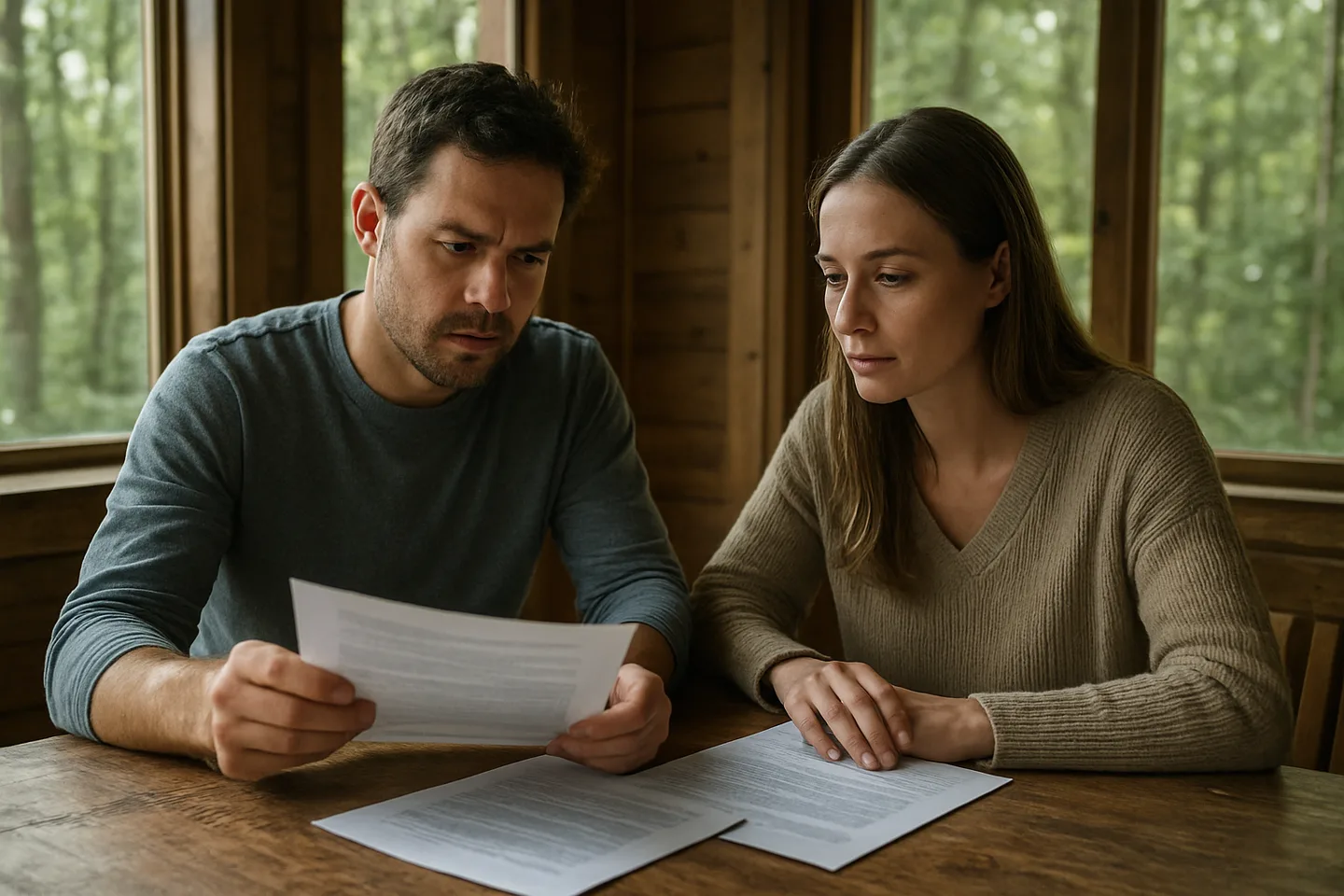
Before you can attract a serious buyer, you need a clear picture of your property. Pull your county assessor records and confirm your parcel boundaries, acreage, and current zoning classification. Zoning determines what a buyer can legally do with the land -- whether it's zoned agricultural, residential, commercial, or mixed-use -- and it's one of the first questions any informed buyer will ask.
You should also investigate utility access. Does the parcel have access to water, electricity, or sewer? Is there a well or septic system already in place? If the land is off-grid, how close are utility connections? These details matter enormously to potential buyers evaluating whether the land fits their intended use. Document everything you know and be upfront about it.
Check for any easements, encumbrances, or deed restrictions that could affect the sale. A title search early in the process helps you avoid surprises later. If you're unsure how to interpret what you find, a real estate attorney can review the title and flag anything that needs to be resolved before closing.
Step 2 -- Price Your Land Competitively

Pricing is where many for-sale-by-owner land sales go wrong. Vacant land is harder to price than residential property because there are fewer direct comparables. To price your land well, look at recent sales of similar parcels in your county -- same zoning, similar acreage, comparable utility access, and similar road access. Your county assessor's website is a good starting point, as is the Colorado Department of Local Affairs property database.
You can also use land-specific listing platforms to gauge what similar properties are listed for in your area. While listed price isn't the same as sold price, it gives you a sense of the current market and what potential buyers are seeing when they shop. Don't price so high that your listing sits and stagnates -- stale land listings lose credibility over time and make buyers wonder what's wrong with the property.
If you want a professional opinion, a certified land appraisal typically costs between $300 and $700 in Colorado and gives you a defensible number to stand behind during negotiation with any buyer who pushes back on price.
Step 3 -- Prepare Your Land Sale Documents

One of the advantages of working with a real estate agent is that they handle paperwork. When you sell land without a realtor, that responsibility falls on you -- but it's manageable with the right preparation. Here are the core documents you'll need for a Colorado land sale:
- Purchase agreement: A written purchase agreement outlines the terms of the sale -- price, contingencies, earnest money, and closing date. Colorado has standard real estate contracts available through the Colorado Real Estate Commission, and many sellers adapt these for land transactions. A real estate attorney can also draft or review a purchase agreement to make sure it protects your interests.
- Deed: You'll need a deed -- typically a warranty deed or a special warranty deed -- to transfer ownership to the buyer at closing.
- Disclosure forms: Colorado requires sellers to disclose known material defects. For vacant land, this typically includes known issues with the title, environmental hazards, and zoning limitations.
- Title insurance commitment: Most buyers -- and especially any buyer using financing -- will require a title insurance commitment before closing.
Working with a title company or a real estate attorney throughout this process keeps things clean and gives the buyer confidence that the transaction is being handled professionally.
Step 4 -- Market Your Property to the Right Buyer
Getting your land in front of the right buyer is the most important part of a sale by owner transaction. Unlike selling a home, you won't rely on foot traffic or neighborhood word-of-mouth. You need to go where land buyers actually look.
Best Places to List Your Land for Maximum Exposure
These platforms attract buyers who are actively looking to buy land in Colorado and are worth a listing on each:
- Lands of America / Land.com -- the largest land-specific listing network in the country
- LandWatch -- popular with rural and agricultural land buyers
- Zillow and Craigslist -- broader reach, good for supplemental exposure
- Facebook Marketplace and local Facebook groups -- underrated for reaching local buyers and investors
When creating your listing, include high-quality photos (drone shots are worth the investment for larger parcels), GPS coordinates, a clear description of the zoning and utility access, and your asking price. A strong listing speaks directly to what a buyer needs to know to take the next step.
Reaching Cash Land Buyers Directly
Another option is to reach out directly to cash land buyers -- companies and investors who specialize in purchasing vacant land quickly, often without contingencies or financing delays. These buyers typically close faster than a traditional buyer and don't require the land to be in perfect condition or fully permitted. The trade-off is that cash offers are usually below market value, but many sellers find the speed and simplicity worth it -- especially when the land has been sitting or the seller needs liquidity fast.
Learn more about selling your land to a cash buyer to decide if this route makes sense for your situation.
Step 5 -- Negotiate Offers and Protect Your Position
When a buyer makes an offer, don't feel pressured to accept or reject immediately. Review the full terms: the offered price, any contingencies (financing, survey, zoning review), the earnest money deposit, and the proposed closing timeline. Each of these terms affects your bottom line and your risk exposure.
Strong negotiation starts with knowing your floor -- the minimum price and terms you'll accept -- before any buyer contacts you. If a buyer is asking for a long due diligence period with a low earnest money deposit, that's a risk to you. Counteroffer with terms that protect your position: a higher earnest money deposit, a shorter contingency window, or a firm closing date.
If you receive multiple offers, take time to compare them side by side. The highest price isn't always the best offer -- a cash buyer with no financing contingency and a 21-day close may be worth more to you than a slightly higher offer from a buyer who needs 60 days and a bank appraisal.
Step 6 -- Close the Sale
Closing a land sale without a realtor in Colorado follows a similar process to any real estate closing. A title company or real estate attorney will conduct the closing, handle escrow, and record the deed with the county. As the seller, your primary responsibilities are to sign the deed, satisfy any liens or encumbrances, and confirm that all terms in the purchase agreement have been met.
Expect to pay for title insurance (the seller typically pays for the owner's policy in Colorado), any outstanding property taxes prorated to the closing date, and transfer taxes or fees. The buyer typically covers their own closing costs, though this is always negotiable.
Once the land sale closes, the proceeds are released from escrow and the buyer receives title to the property. Keep a complete copy of the closing documents for your records -- you'll need them when you file taxes.
Tax Considerations After Your Colorado Land Sale
Selling land has tax implications you'll want to understand before closing. If you've owned the parcel for more than one year, any gain is taxed at the federal long-term capital gains rate -- typically 0%, 15%, or 20% depending on your income. If you held it for less than a year, the gain is taxed as ordinary income. Colorado also taxes capital gains at the state income tax rate.
There are several strategies that may reduce your tax burden, including a 1031 exchange (which lets you defer capital gains by rolling proceeds into another investment property), installment sale treatment (if the buyer pays over time), and deducting allowable selling costs. A tax professional familiar with Colorado real estate can help you structure the land sale in the most tax-efficient way possible.
Is Selling Land Without a Realtor Right for You?
For most Colorado landowners with a straightforward parcel and a little time to invest in the process, selling land without a realtor is completely achievable. You'll save on commission, maintain control over the sale, and likely move just as fast -- or faster -- than you would with an agent who doesn't specialize in land.
That said, if your land has complex title issues, boundary disputes, or unusual zoning complications, having a real estate attorney in your corner is worth the cost. And if speed is your top priority and you're open to a below-market offer, connecting with cash land buyers may be the most practical path.
Whatever route you choose, going in prepared -- with accurate documentation, a realistic price, and a solid understanding of the process -- puts you in the best possible position to close a successful land sale in Colorado.
Learn more about selling your land and explore your options for a fast, fair Colorado land sale without the hassle of a realtor.
Need to sell your Colorado land? We buy land directly from owners for cash, with no fees, no commissions, and we close in as little as 2 weeks.
Loading form...
Sell Your Colorado Land for Cash
Ready to sell? We buy land directly from owners across Colorado. Get a fast, no-obligation cash offer.