Selling Land to a Developer in Colorado: What Landowners Need to Know
If you're a Colorado property owner looking to sell, you're not alone. Colorado's booming population, expanding metros, and rising demand for housing and commercial space have made land transactions increasingly attractive. Whether you own a rural parcel near a growing town or an infill lot in a Denver suburb, understanding how the sale process works can help you get the best outcome.
This guide walks you through everything you need to know about selling land to a developer in Colorado -- from understanding what they look for, to closing the deal.
Why Sell Your Land to a Developer?
Working with a real estate developer is often one of the most financially rewarding options for landowners who want to sell. Developers are typically well-funded, motivated land buyers who can move quickly and pay closer to -- or sometimes above -- asking price when they see strong potential in a parcel. Unlike selling to an individual buyer, a developer evaluates your property based on what it could become: a subdivision, a commercial center, a multifamily complex, or an industrial site.
For a Colorado landowner, this means the value of your land may be significantly higher to a developer than it would be on the open market to a private buyer. Developers may also cover certain closing costs or structure deals in ways that benefit the seller.
What Developers Want in Colorado Land
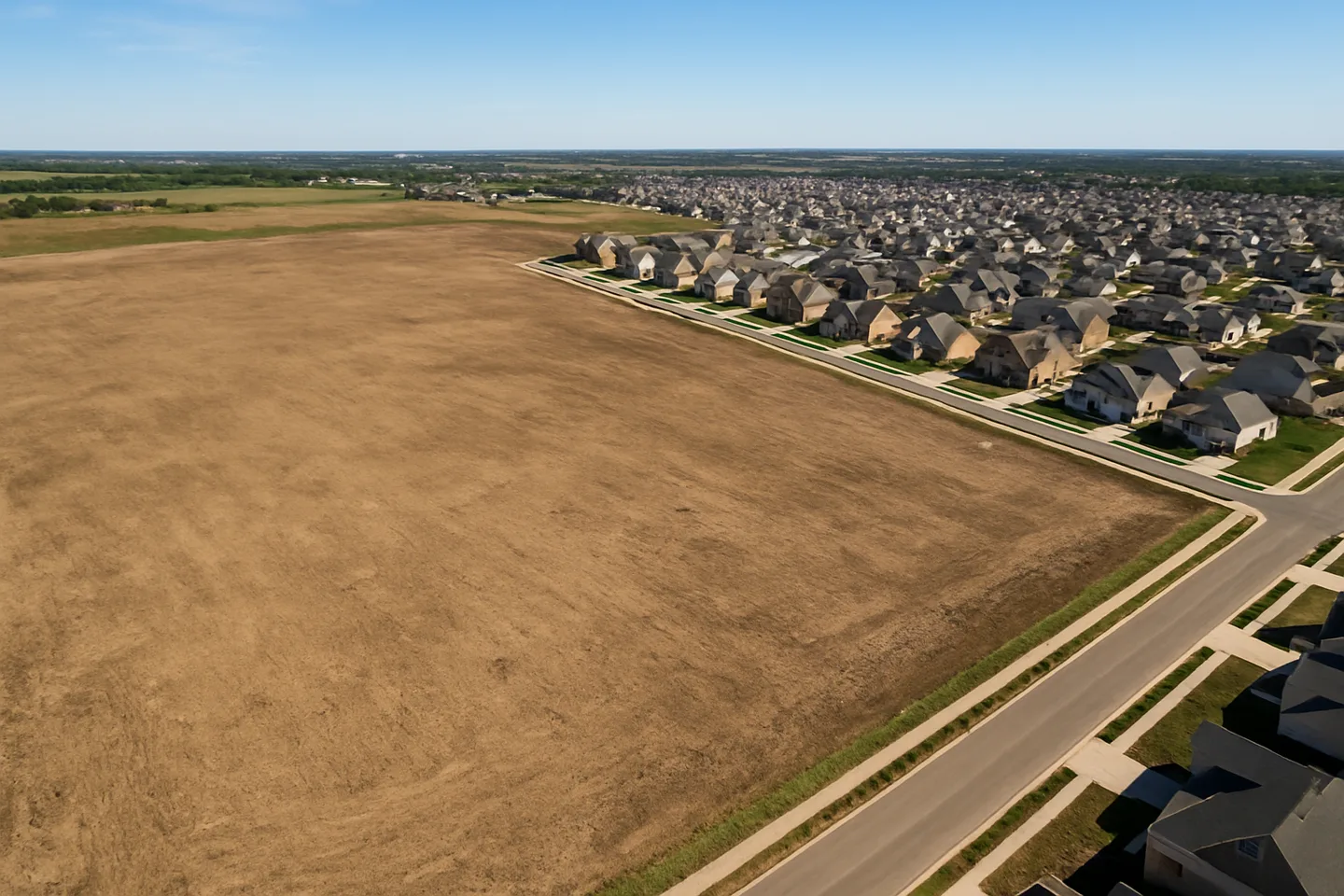
Before you sell, it helps to understand what developers want and what they're evaluating. Every buyer runs thorough research on a parcel before making a serious offer. Here's what they typically assess:
- Zoning and land use: How a parcel is currently zoned -- and whether it can be changed -- is one of the first things any buyer examines. Local zoning regulations determine what can be built, and land already approved for residential or commercial use is far more attractive. Even under agricultural zoning, developers interested in a site may still pursue it if a change can be approved through a local process.
- Access and utilities: Does the parcel have road access? Is infrastructure -- water, sewer, electricity -- nearby or already on-site? Utility availability dramatically affects the value of your land and how quickly a buyer can move forward.
- Size and shape: Potential land buyers often need a minimum lot size to make a project financially viable. Irregular shapes or landlocked parcels can reduce interest, though some specialists focus on challenging sites.
- Location and market trends: Is your land near a growing community, a major highway, or a planned infrastructure improvement? Colorado's growth corridors attract significant attention from buyers active in land development.
- Environmental factors: Wetlands, floodplains, steep slopes, or contamination history can complicate development and reduce a buyer's willingness to pay top price.
Understanding the Value of Your Land

One of the most important steps when preparing for a land sale is understanding what your parcel is truly worth. Many sellers are surprised to learn their property is worth more -- or less -- than they assumed.
To get an accurate picture, consider:
- A professional land appraisal: A certified appraiser with experience in vacant land can give you a defensible figure based on comparable sales and development potential.
- Comparable sales data: Look at what similar parcels in your area have sold for recently. A real estate agent who specializes in land transactions can pull this data and provide context.
- Buyer interest signals: If multiple parties have already approached you, that's a strong indicator your land has above-average appeal. Competitive interest is one of the best ways to maximize what you receive.
Don't rely solely on county tax assessments -- they rarely reflect actual market conditions and are often significantly lower than what a motivated buyer would pay.
How to Find and Approach Buyers
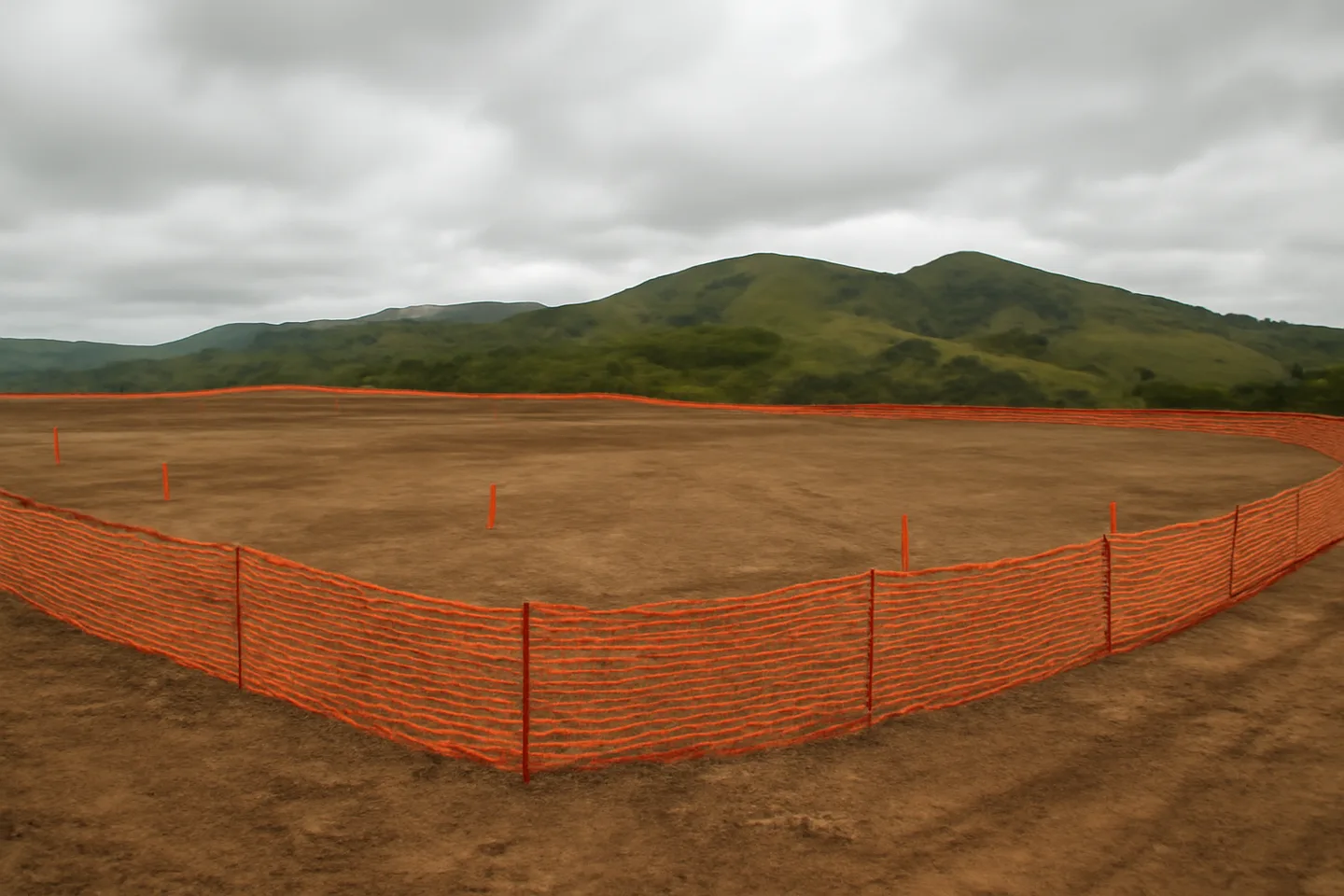
If no one has approached you yet, you can take a proactive approach to sell faster and at a better price. Here's how to market your land effectively:
- Work with real estate professionals: Land-focused specialists have direct relationships with investors and developers. They can present your parcel to the right audience and run a structured process that encourages competitive offers.
- Contact local buyers directly: Research those active in your county or region. Look for recent permit filings, subdivision approvals, or new construction nearby -- these are signs someone is actively acquiring land in your area.
- List your property online: Placing your property online on land-focused platforms attracts investors specifically searching for parcels to acquire.
- Work with a land buying company: Companies that purchase land from Colorado owners can provide quick offers and close fast, which is useful if you want certainty over maximum price.
The Land Sale Process: Step by Step
Understanding how the sale of land unfolds helps you stay in control from first contact to closing. Here's how a typical transaction proceeds:
- Initial inquiry and offer: A buyer or their representative contacts you and expresses interest. They may make a preliminary offer or ask for more information about the parcel.
- Letter of Intent (LOI): Before a formal contract, many buyers issue an LOI outlining basic terms: price, contingencies, and timeline. This is not binding, but it sets the stage for discussions.
- Due diligence period: Once a purchase agreement is signed, the buyer typically has a window -- often 30 -- 90 days in Colorado -- to inspect the property, review title, conduct surveys, confirm zoning, and check access. Developers often use this time to assess feasibility before committing fully.
- Contingencies and revised terms: Buyers may return with updated terms based on what their review reveals. As a landowner, you have the right to accept, counter, or walk away.
- Closing: Once all contingencies are satisfied, the transaction closes. Funds are transferred, the deed is recorded, and the land sale is complete.
Tips for Colorado Landowners When Negotiating
This is where many sellers leave money on the table. Here are strategies to strengthen your position:
- Don't accept the first offer: An initial offer is rarely the best. Treat it as a starting point, not a final number.
- Create competition: If you can generate interest from more than one party, you shift the dynamic in your favor. Even a second expression of interest can improve your outcome.
- Understand what matters to the buyer: Sometimes a buyer cares more about timeline or certainty of close than price. Flexibility on timing may allow you to secure a higher figure in return.
- Get legal advice: A real estate attorney familiar with Colorado land transactions can review contracts and identify terms that might not be in your interest.
- Consider seller financing or a profit-sharing structure: In some cases, a deferred payment or a percentage of project profits can yield more than a straight cash sale, though it comes with additional risk.
Tax Implications of Selling Land in Colorado
Before you proceed, it's important to understand the tax consequences. A land sale in Colorado is generally subject to federal capital gains tax. If you've owned the land for more than one year, long-term capital gains rates apply, which are lower than ordinary income rates.
Key considerations include:
- Cost basis: Your taxable gain is the sale price minus your cost basis (what you paid plus any improvements). A higher basis means a smaller taxable gain.
- 1031 exchange: If you plan to reinvest proceeds into another property, a like-kind exchange may allow you to defer capital gains tax. This requires careful planning and strict timelines.
- State taxes: Colorado has a flat income tax rate. Your proceeds will be included in your Colorado taxable income for the year of the sale.
- Installment sales: Receiving payments over time rather than a lump sum may help spread your tax liability across multiple years.
Always consult a tax professional familiar with Colorado real estate before finalizing any deal.
Common Mistakes to Avoid When You Sell Your Land
Avoiding these pitfalls can save you time, money, and frustration:
- Accepting the first offer without research: Many sellers don't fully understand their land's worth and accept offers well below what a competitive process would yield.
- Not verifying local zoning regulations: Assuming your land can be developed for a specific use without confirming current rules -- or the likelihood of a change -- can lead to deal failures or post-sale disputes.
- Skipping legal review: Contracts are written to protect the buyer. An attorney can identify clauses that favor the other side and negotiate more balanced terms.
- Underestimating the review period: Buyers may use a long window to tie up your property while they explore options. Ensure the agreement includes clear timelines and adequate earnest money.
- Ignoring access issues early: If your parcel has infrastructure or access limitations, address them upfront. Surprises during review often result in price reductions or deal cancellations.
Is Selling to a Developer Right for You?
This approach is not the right move for every landowner. In some cases, selling to an individual buyer, a conservation organization, or a land investment company may better fit your goals -- whether that's maximizing price, closing quickly, or preserving the land's character.
That said, for many Colorado property owners with parcels in or near growth areas, working with developers -- especially through a structured, competitive process -- offers the best combination of price and certainty.
If you're weighing your options, speaking with a professional who specializes in Colorado land transactions is the best first step. Learn more about selling your land and how we can help you navigate the process from start to finish.
Frequently Asked Questions About Selling Land to Developers in Colorado
How long does a land sale to a developer take in Colorado?
Timelines vary widely. A straightforward transaction with a motivated buyer might close in 60 -- 90 days. More complex deals -- especially those involving rezoning, environmental review, or large parcels -- can take six months to two years or more.
Do I need a real estate agent to sell land to a developer?
You're not legally required to use one, but a land-experienced agent or broker who understands buyer motivations and local market conditions can significantly improve your outcome. Land specialists know how to run a competitive process and can introduce your parcel to buyers who aren't publicly searching.
What happens during the due diligence period?
This is the window after a purchase agreement is signed when the buyer investigates the property in detail. They verify zoning, check utility availability, review title history, conduct surveys, and assess environmental conditions. As a landowner, you should understand what's being reviewed and ensure the contract protects your interests if the buyer walks away.
Can landowners looking to sell land to developers in Texas use the same process?
The general framework is similar across most U.S. states, though specific rules vary. Selling land to developers in Texas follows comparable contract structures, but state-specific tax laws, zoning regulations, and disclosure requirements differ. Always work with professionals licensed in your state.
What if my land isn't zoned for development?
Many buyers are experienced in navigating approvals. If your land is currently zoned agricultural but has potential, a buyer may still be interested -- they'll factor the cost and risk of a change into their offer. Some specialists focus on exactly this type of opportunity.
Ready to take the next step? Learn more about selling your land to developers in Colorado and get a no-obligation assessment of your parcel's potential.
Need to sell your Colorado land? We buy land directly from owners for cash, with no fees, no commissions, and we close in as little as 2 weeks.
Loading form...
Sell Your Colorado Land for Cash
Ready to sell? We buy land directly from owners across Colorado. Get a fast, no-obligation cash offer.